Skip to content
AI NEWS JOURNAL
AI, IN PERSPECTIVE

Search AI news

Search headlines, summaries and articles to connect the dots.

Newest first

Preview web apps live as your coding agent builds them with Amazon Bedrock AgentCore runtime

Amazon Bedrock AgentCore Session endpoints give each runtime session an authenticated URL that forwards any HTTP method, path, and WebSocket connection to the ports you allow. In this post, you deploy a coding agent that keeps a Vite website running in its session, then watch the live site update in your browser as the agent edits files.

Timeline and related coverage

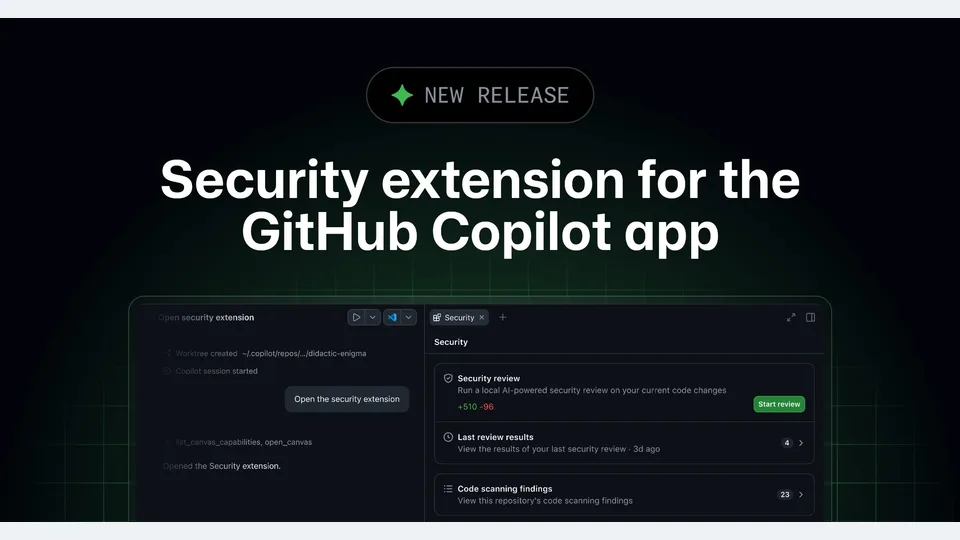
Security extension for the GitHub Copilot app

You can now work through your repository’s GitHub code scanning alerts without leaving the GitHub Copilot app. The new GitHub security extension, now in public preview, lets you find the… The post Security extension for the GitHub Copilot app appeared first on The GitHub Blog.

新闻源配图 · GitHub Copilot changelog
Timeline and related coverage

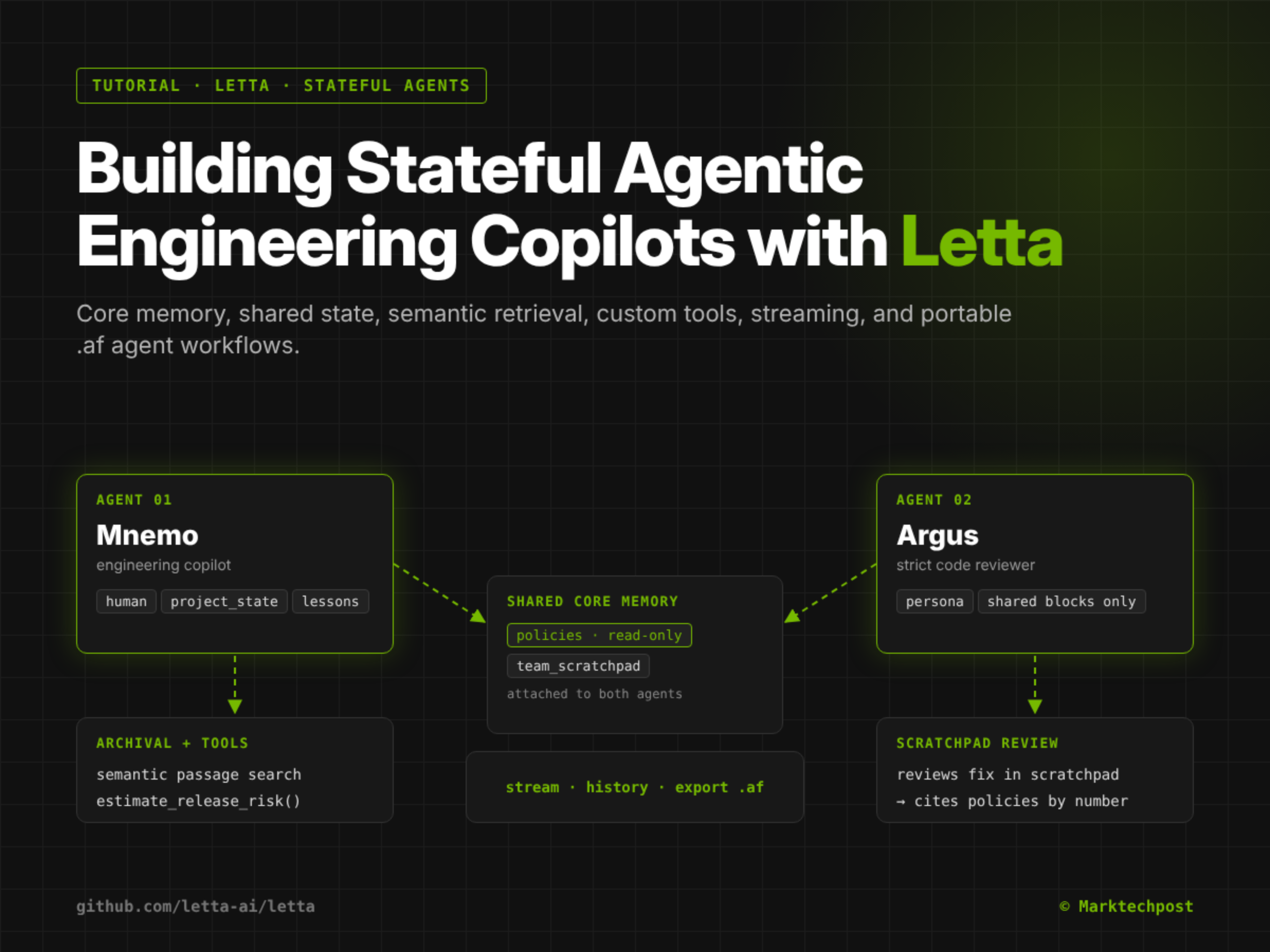
Letta platform releases a tutorial on building stateful engineering collaborators: supporting core memory, shared state, and portable workflows.

MarkTechPost published a tutorial on October 24, 2026, detailing how to build an agentic copilot with persistent state using the Letta framework. The guide covers capabilities such as verifiable core memory, multi-agent shared memory, semantic retrieval of archived knowledge, custom Python tool integration, streaming responses, and .agent format (.af) export. The content serves as a technical practice guide and does not provide performance metrics, security audits, or production‑environment validation.

Stateful Agentic Engineering Copilots with Letta: Core Memory, Shared State, Semantic Retrieval, Custom Tools, Streaming, and Portable Agent Workflows
Timeline and related coverage

sparqlite: SPARQL 1.1 inside SQLite, written in Rust

Research: sparqlite: SPARQL 1.1 inside SQLite, written in Rust This research task is really an experiment in running Claude Code for web in "Ultracode" mode, as described in Orchestrate subagents at scale with dynamic workflows in the Claude Code documentation. With Ultracode turned on, Claude Code makes aggressive use of dynamic workflows - it generates JavaScript that defines and coordinates a network of subagents to take on complex problems. My initial prompt was this - I meant "hit the rows directly", the word "delete" was an accidental typo on my phone: Write a SQLite extension in Rust that implants SPARQL and runs really fast because it can hit the delete rows directly This caused Claude Code for web to churn for over 12 hours. I checked in on its progress the next day and sent a sin

Timeline and related coverage

Tree Appreciator

Tool: Tree Appreciator Another game experiment with Claude. This one used the default Claude iPhone app (chat mode, not Claude Code mode), where I prompted Claude Opus 5.5 Max with: Build a three js game called "Tree appreciator" - it shows you two algorithmically generated trees and the game mechanics is about appreciating the differences between them. Think hard about how to make sure it is both fun and beautiful. Somewhat embarrassingly given my recent talk, I've found that telling Opus 5.5 "make sure it is fun" works uncomfortably well. In this case Claude crunched for 3 hours and 7 minutes before retuning a cosy little spot-the-difference game with music and animation and achievements that's quite compelling to play. Tags: game-design, javascript, ai, generative-ai, llms, claude, vibe

Timeline and related coverage